
The Seattle Logistics of Trust: Stabilizing Mailing Costs and Avoiding Ghost Postage in 2026
The Seattle Logistics of Trust: Stabilizing Mailing Costs and Avoiding Ghost Postage in 2026
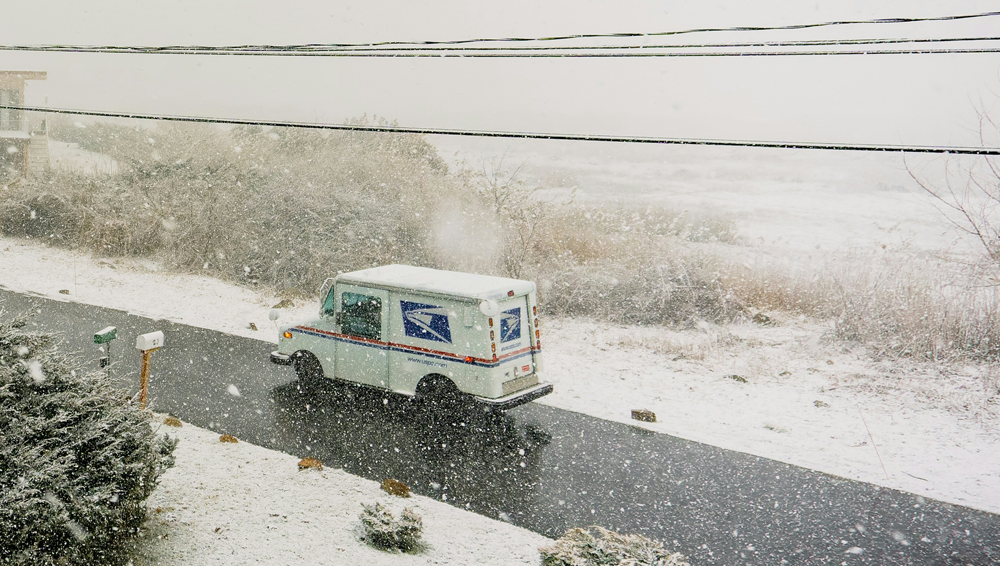
In the world of logistics, trust is the currency that keeps packages moving. But what happens when that trust is broken by counterfeit postage — often called "ghost postage"? This is the story of how Seattle's supply chain professionals are fighting back against this growing threat while stabilizing mailing costs.
What Is Ghost Postage?
"Ghost postage" refers to counterfeit stamps that appear real but lack the security features of genuine USPS postage. These fakes are increasingly sophisticated, often sold through online marketplaces and social media ads at "too good to be true" discounts.
The Seattle Approach: Trust Through Verification
Seattle-based logistics companies have developed a systematic approach to combating ghost postage:
- Source verification: Only purchase stamps from vendors who provide full manifests of their surplus origins.
- Discount discipline: Stick to the 8-25% discount range where legitimate corporate surplus lives.
- Batch testing: Test sample stamps at the post office before using large quantities.
- Receipt retention: Keep detailed records of every purchase for potential disputes.
Stabilizing Mailing Costs in 2026
With rates frozen at $0.78 until July 2026, businesses have a window of predictability. Seattle logistics experts recommend:
- Quarterly bulk purchases: Lock in current rates before potential summer increases.
- Vendor diversification: Don't rely on a single supplier; have 2-3 vetted sources.
- Inventory tracking: Use simple spreadsheets to monitor usage and anticipate reorder needs.
- Staff training: Ensure everyone handling mail can identify suspicious stamps.
Red Flags: How to Spot Ghost Postage
- Discounts above 25-30% (real surplus rarely exceeds 25%)
- Unprofessional packaging or missing receipts
- Vendors who won't provide a physical address or phone number
- Social media ads promising "50-90% off USPS stamps"
- Websites with poor grammar, no return policy, or no contact information
Building a Trust-Based Mailing Strategy
The Seattle model proves that trust isn't just about avoiding risk—it's about building a reliable, repeatable system. By verifying sources, maintaining discount discipline, and training staff, any business can protect its mail stream from ghost postage while capturing legitimate savings.
Written by Michael Chen – Logistics specialist based in Seattle with expertise in supply chain verification and cost optimization.